






Every engineering org eventually hits the same wall. Deployment steps live in five different runbooks, onboarding a new developer takes three weeks of Slack questions, and every team reinvents its own way of provisioning a database. Internal developer platforms exist to fix exactly this kind of friction. Done well, an IDP hands engineers a paved […]
Read more
For a few years, AMP was the fastest route to a spot in Google’s mobile carousel, and ecommerce teams built entire template libraries around it. In 2026, that landscape looks nothing like it did back in 2018. Google folded AMP’s search perks into the broader Page Experience signal in 2021, and adoption among online stores […]
Read more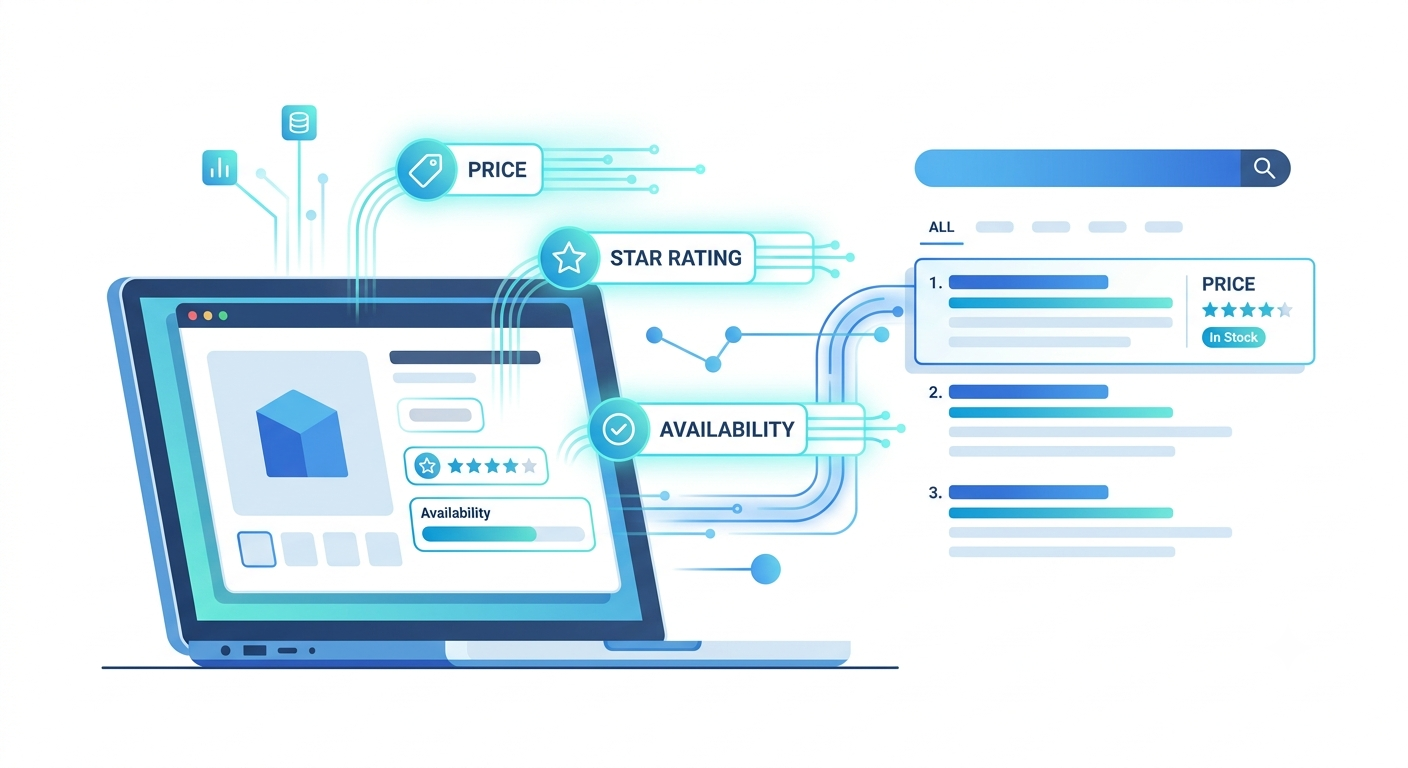
Most ecommerce teams treat schema markup as a checkbox for developers to tick off once and forget. That approach made sense in 2019. It does not hold up in 2026, when Google leans on structured data not just for rich snippets but for how AI powered search overviews understand and summarise product pages. If your […]
Read more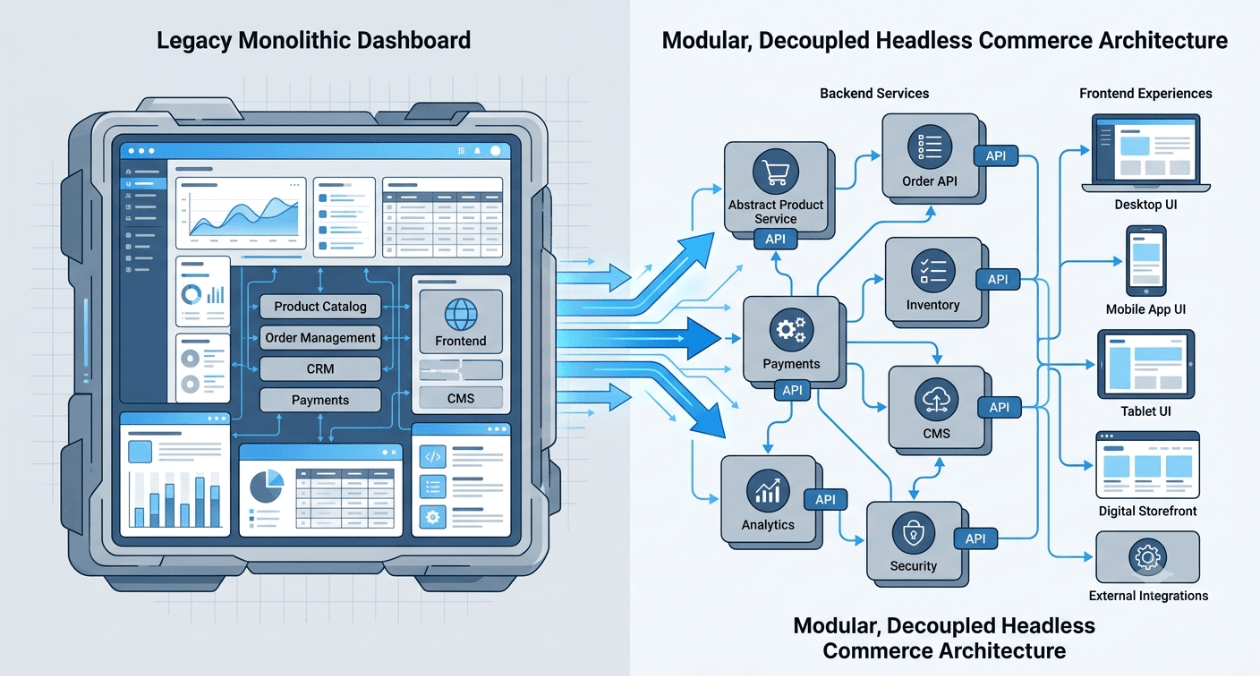
Enterprise merchants running large Magento catalogs are asking a harder question in 2026 than they did a few years ago. It is no longer just about upgrade costs. It is about whether a monolithic platform can keep pace with a business that wants faster releases, cleaner APIs, and a checkout experience it fully controls. Medusa.js […]
Read more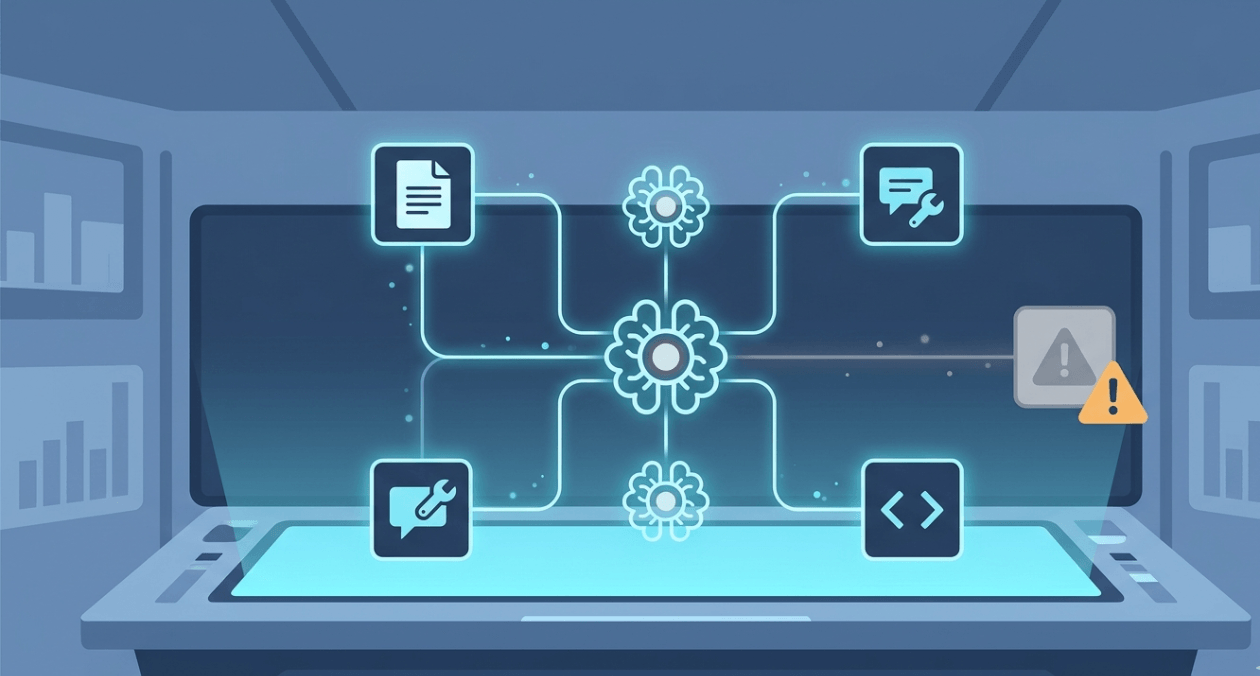
Every engineering roadmap in 2026 seems to mention AI agents production use cases somewhere on the slide. Vendors talk about autonomous coworkers, boardrooms talk about headcount savings, and most teams end up with a chatbot wrapped in a new name. The honest picture is more mixed. Some agentic workflows engineering teams have shipped are already […]
Read more
Most performance problems teams chase are not caused by underpowered servers or slow application code. They come from indexes that were added without thought, or never added at all. A single missing index can quietly turn a fast application into a sluggish one long before anyone notices it in the logs. If your team is […]
Read more
A wishlist sounds like a small feature until you actually try to add one to a headless commerce stack. On platforms like Shopify or WooCommerce, wishlists usually come from a plugin you install and forget about. Medusa.js does not work that way, and that is exactly the point. Since Medusa is a modular, API first […]
Read more
Engineering teams in high-growth organisations face a paradox that rarely gets spoken about openly. The same monitoring and alerting systems built to protect uptime often become the biggest source of operational burnout. Engineers start ignoring pages. Runbooks go stale. Rotations become dreaded rather than shared. The irony is that a poorly run on-call culture can […]
Read more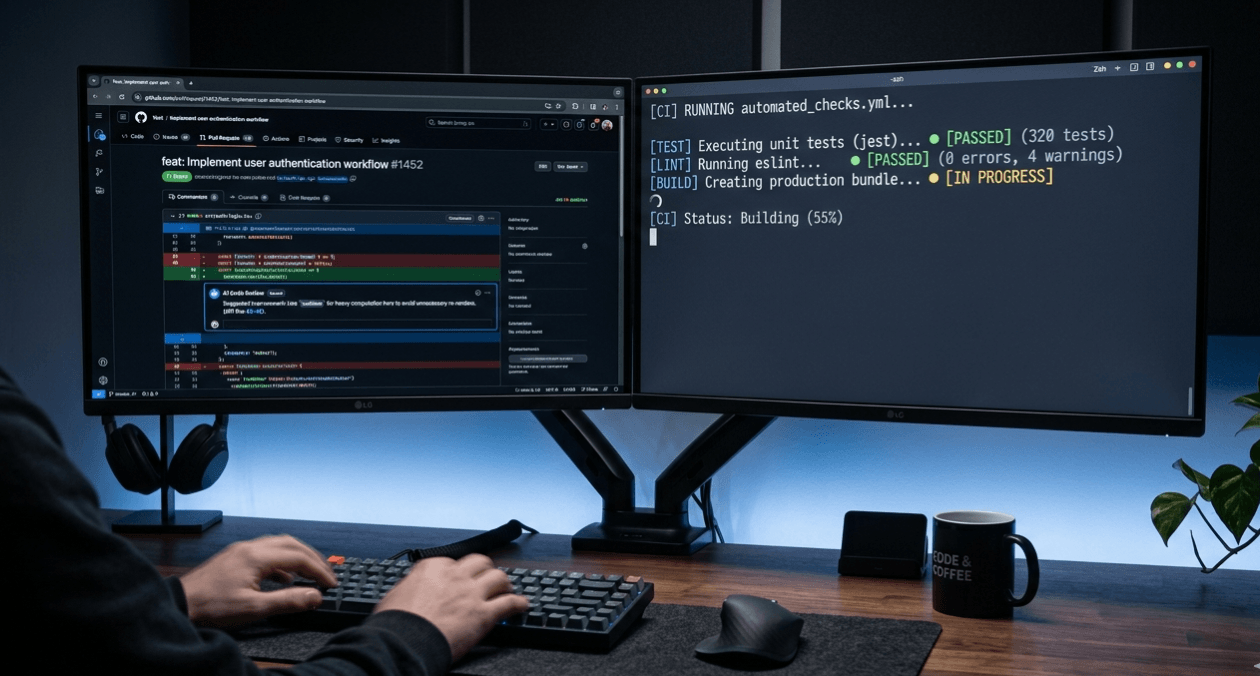
AI tools have moved quickly from experimental additions into everyday developer workflows. Code review, which has always been one of the most time-consuming parts of the software delivery cycle, is one of the areas where the impact is most visible. Tools like GitHub Copilot, Amazon CodeGuru, and a growing range of purpose-built review assistants are […]
Read more
There is a version of the engineering day that many developers know well. The calendar is split into one-hour blocks. Stand-ups run long. Syncs spawn follow-up syncs. By the time an afternoon of uninterrupted work becomes possible, mental energy is already depleted. The code that gets written in those conditions tends to reflect it. Async-first […]
Read more