





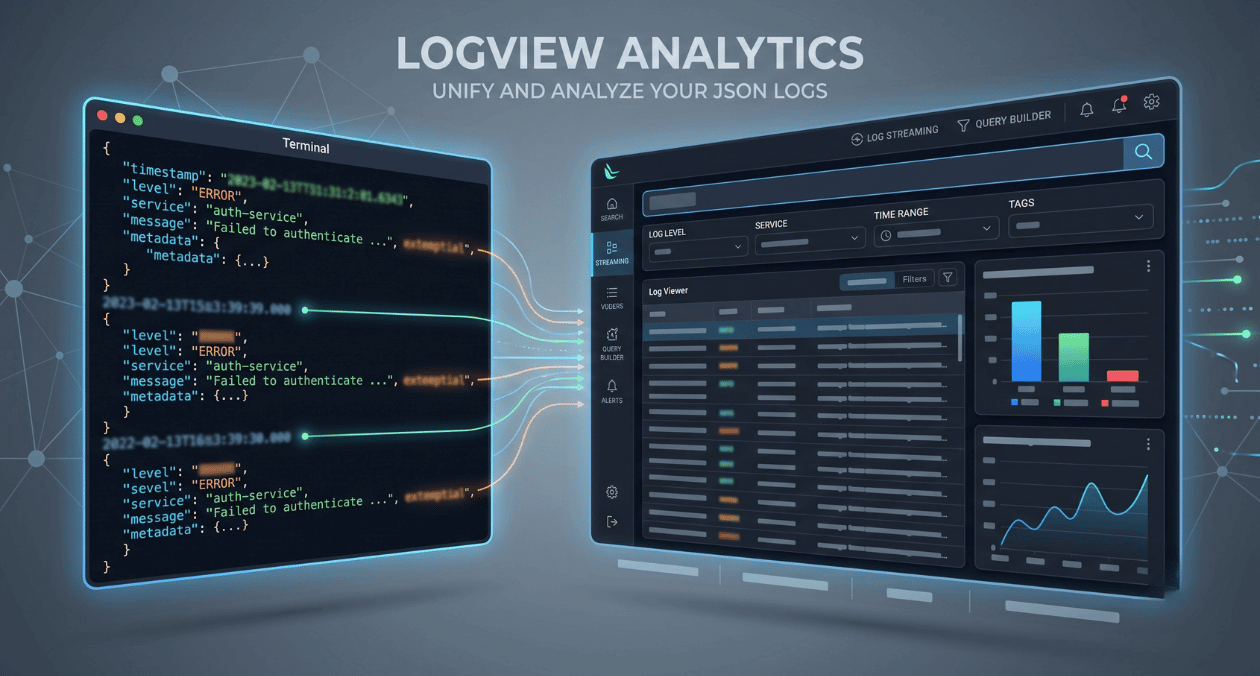
Most teams do not notice their logging strategy is broken until an incident forces them to search through thousands of lines of unstructured text at 2 AM, trying to piece together what happened from inconsistent, free-form log messages. Structured logging fixes this before it becomes a problem, but it only works if the team commits […]
Read more
Vector databases have become a near default part of the stack for anything involving embeddings, semantic search, or retrieval augmented generation, but the term still gets thrown around loosely enough that many engineers adopt one without fully understanding what problem it actually solves. A vector database is not a replacement for your existing relational or […]
Read more
Every Magento store eventually needs functionality the platform does not offer out of the box, and the decision between building a custom extension or buying a third-party module gets made too often on gut feeling rather than a clear evaluation of the actual trade-offs involved. Getting this decision wrong either wastes development budget on something […]
Read more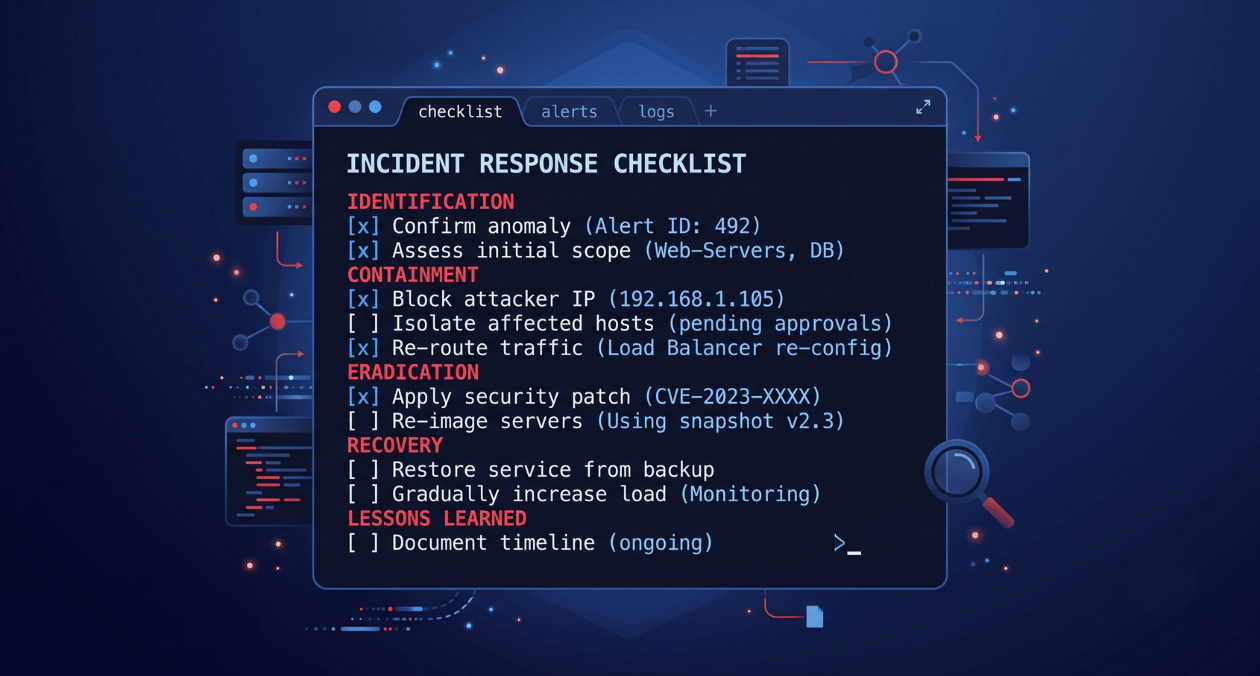
Most engineering teams have an incident response runbook sitting in a wiki somewhere, and most of those runbooks get ignored the moment a real incident hits, because whoever is paged defaults to instinct and Slack messages instead. The gap between having a runbook and having a runbook people actually follow under pressure comes down to […]
Read more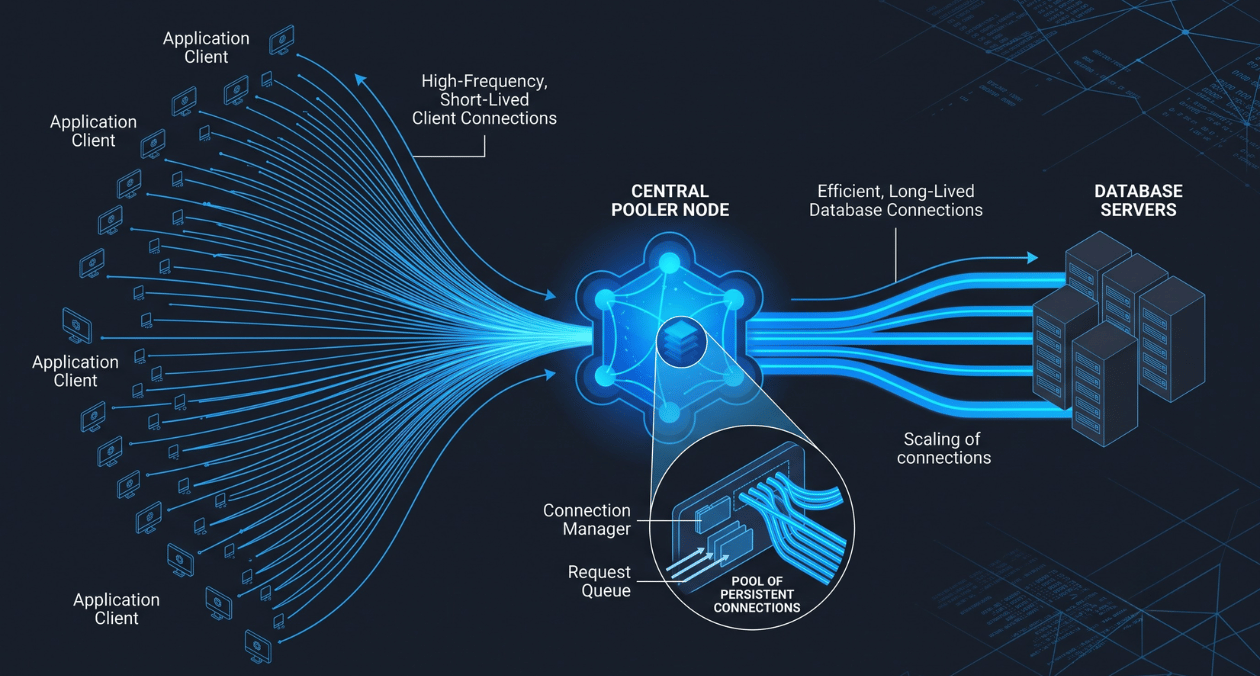
An application can pass every load test on paper and still fall over in production the moment real traffic hits, and the culprit is often something invisible in most monitoring dashboards until it is already causing outages: database connection exhaustion. Connection pooling fixes this specific bottleneck, and understanding why it matters is essential before scaling […]
Read more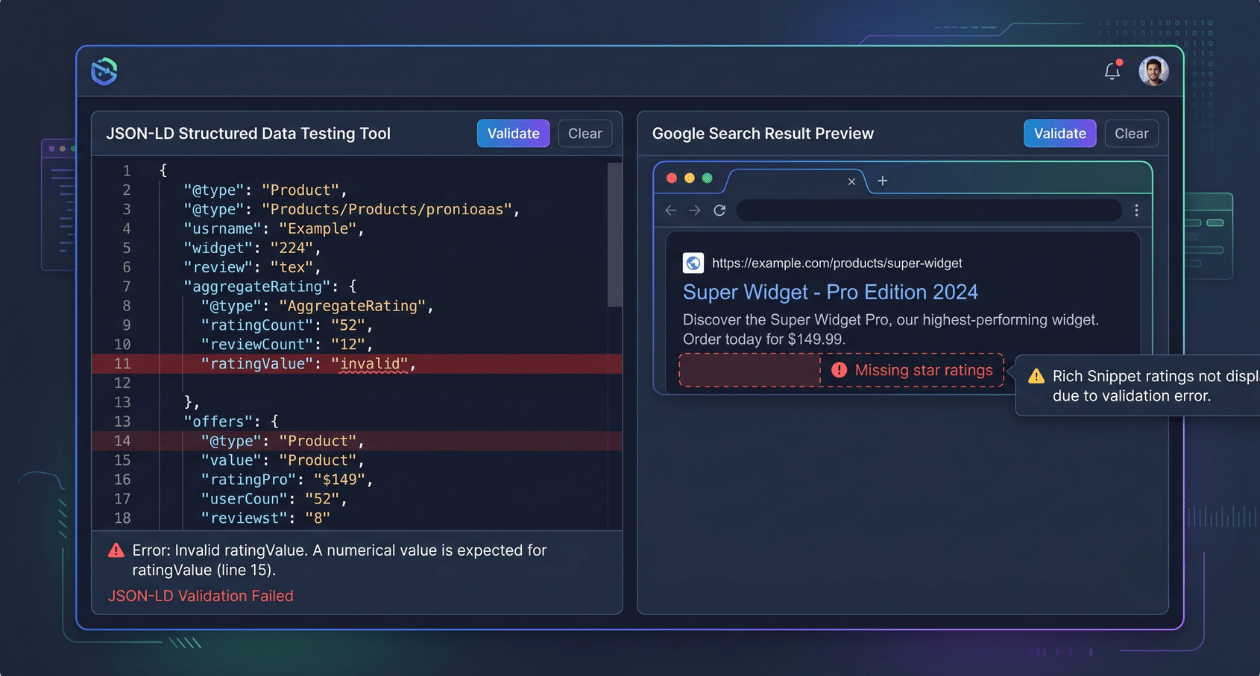
A page can rank perfectly well and still lose out on rich results because of a structured data error nobody caught. Unlike a broken link or a 404, a schema mistake rarely throws an obvious error on the live page, it just quietly makes your listing ineligible for the star ratings, product pricing, or FAQ […]
Read more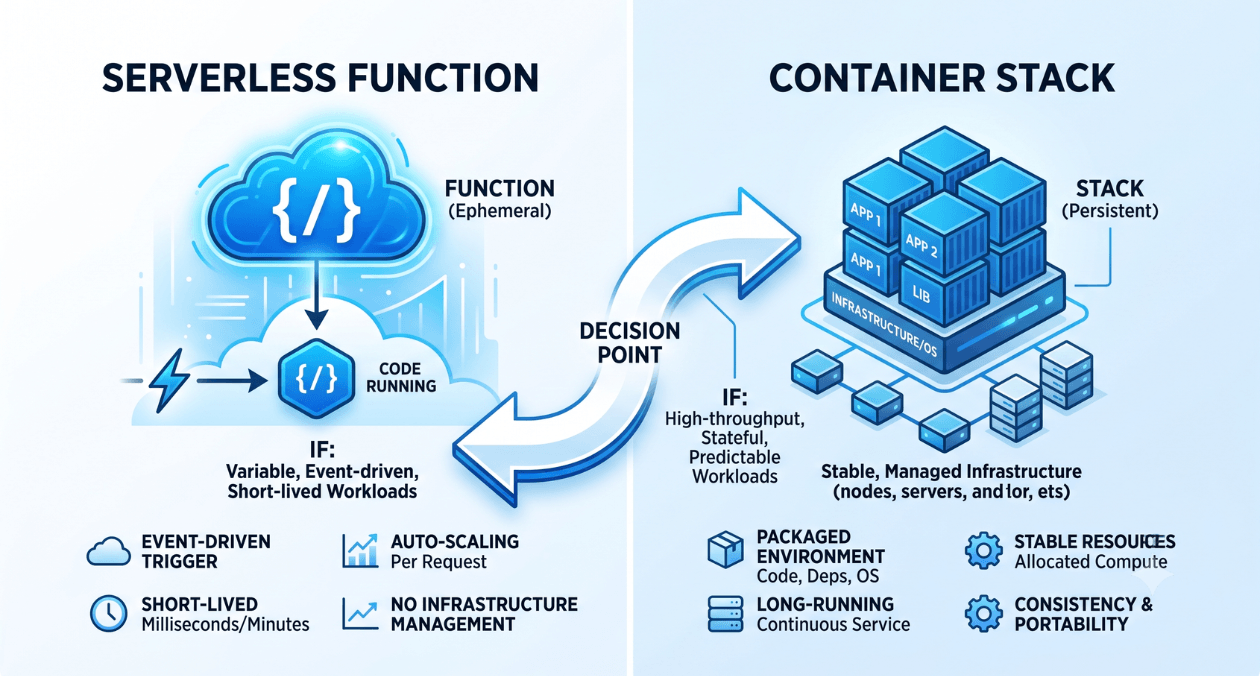
Every engineering team building on the cloud eventually runs into this question: should this workload run on serverless functions or inside containers. The answer used to be simpler when serverless meant tiny event handlers and containers meant everything else. In 2026 that line has blurred, with platforms offering serverless containers, container based functions, and orchestration […]
Read more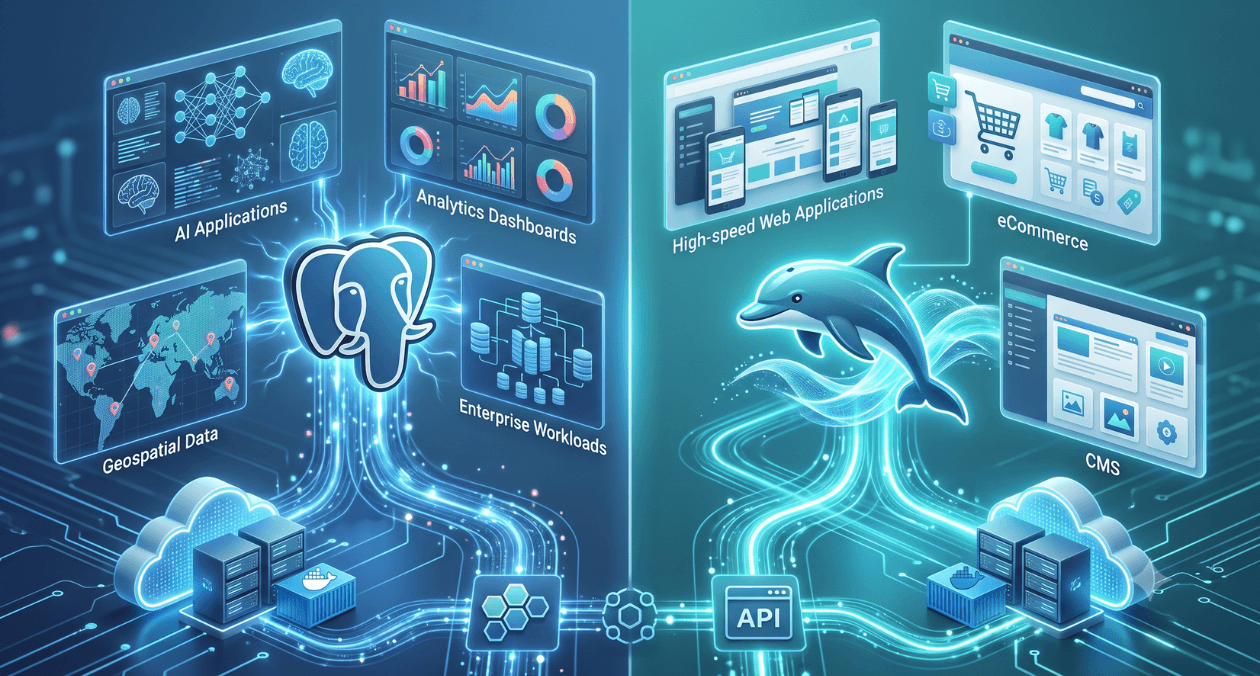
Every couple of years the Postgres versus MySQL debate resurfaces, and 2026 is no different. Teams building new applications still ask the same question during architecture reviews, which database should carry the weight of a growing product. The honest answer is that both engines have matured well past their old reputations, and the decision now […]
Read more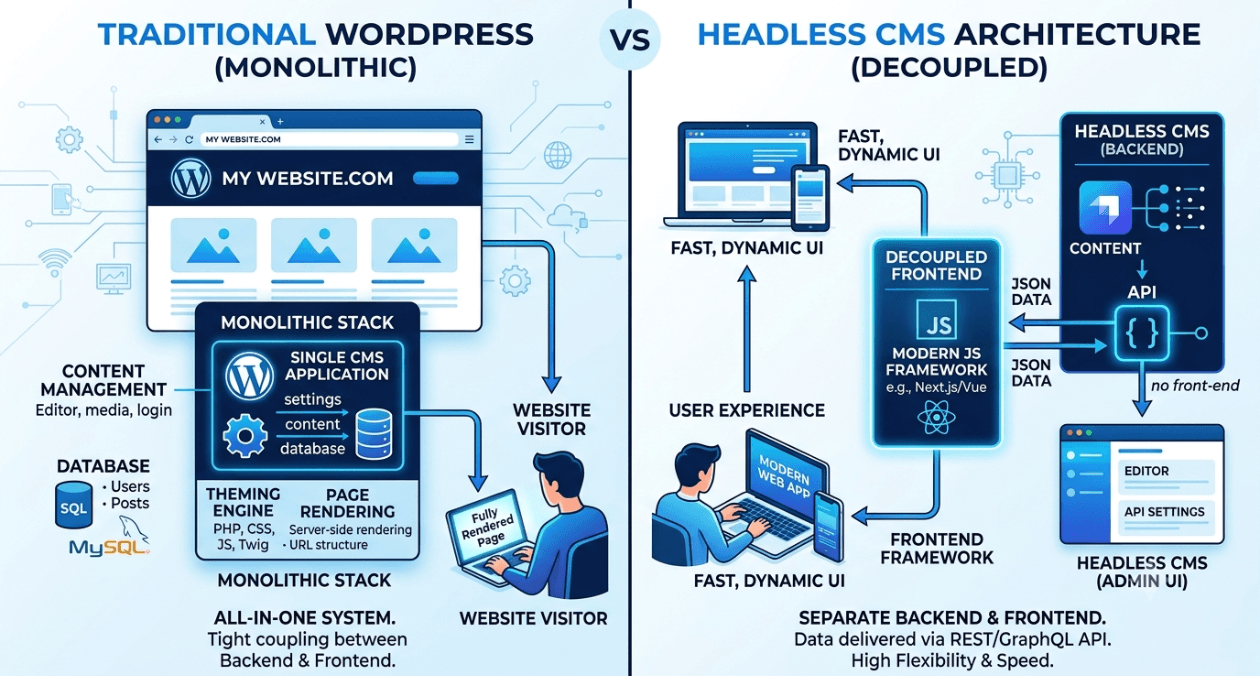
WordPress still runs a massive share of the web, and for good reason. It is fast to launch, familiar to content teams, and backed by a plugin ecosystem that covers almost any business need. But as more engineering teams push for faster frontends, multi channel publishing, and tighter control over user experience, a different question […]
Read more
Every LLM powered feature shipped in the last two years shares one uncomfortable trait: the model reads instructions and data through the same channel. A traditional application keeps user input and executable code strictly separate, but a language model has no such wall. Whatever text reaches its context window can, in principle, be treated as […]
Read more