



TABLE OF CONTENTS
MongoDB vs RDBMS


Deciding upon the right database has always been a bewilderment. While both Relational and non-relational databases are a viable option, certain key differences must be kept in mind to make the apt choice.
What is MongoDB?
MongoDB is a No SQL database. It is an open-source, cross-platform, document-oriented database written in C++ .
Since October 2018, MongoDB’s updates have been published under the Server Side Public License (SSPL) v1, and the database is free to use.
Some Key Features of MongoDB:
- Load balancing : It has an automatic load balancing configuration because of data placed in shards.
- Manageability: Doesn’t require a database administrator. User-friendly, can be used by both developers and administrators.
- Secondary Indexing: Easy to index any property of an object stored in MongoDB even if it is nested. This makes it really easy to query from the database based on these secondary indexes.
- Duplication of data: MongoDB can run over multiple servers. The data is duplicated to keep the system up and also keep its running condition in case of hardware failure.
- Replication: MongoDB supports Master Slave replication. A master can perform Reads and Writes and a Slave copies data from the master and can only be used for reads or back up (not writes)
- Multiple Servers: It can run over multiple servers.
What is RDBMS?
A relational database refers to a database that stores data in a structured format, using rows and columns.
Some Key Features of RDBMS:
- Gives a high level of information security.
- Supports virtual tables from where data can be retrieved by using sql queries.
- Provides referential integrity.
- It is quick and precise.
Difference between RDBMS and MongoDB:
| MongoDB | RDBMS | |
|---|---|---|
| Database | Document-oriented non-relational database. One collection holds different documents. Start coding without worrying about tables. | Relational database management system. First design tables, data structure, relations, and only then coding starts. |
| Language | Supports JSON & SQL query language. | Supports SQL query language. |
| Foreign key | No support for the foreign key. These constraints can be handled in code. | Supports foreign key |
| Complex Joins | No support for Complex Joins. Can be changed in document structure and embed the other document inside the first document. | Complex Joins are supported and take too much time to execute. |
| Schema | Dynamic schema | Predefined schema |
| SQL injection | Invulnerable | Vulnerable |
| Hierarchical data storage | Best-fit | Not fit |
| Triggers | Not-supported | Supported |
| Scalability | Horizontal | Vertical |
| Emphasize | CAP theorem (Consistency, Availability, and Partition tolerance). | ACID properties (Atomicity, Consistency, Isolation and Durability). |
| Speed | 100 times faster than traditional database system. | Slower in comparison with the NoSQL databases. |
| JavaScript client | Provides JS client for querying. | Does not provide JS client for querying. |
| Based on | Collection & key-value, document, field | Table, Row, column |
Most popular pages

From Prototype to Production: The Engineering Checklist That Actually Matters
Prototypes lie. They perform well in demos because they are not doing any of the work that production systems actually do. There is no...
-
Building a Developer Experience (DX) Platform: From Golden Paths to Self-Service Infrastructure
There is a measurement problem at the heart of platform engineering. The people who benefit most from a well-built internal developer platform are often...
-
Search Infrastructure for Applications: Elasticsearch vs OpenSearch vs Typesense
Search is one of those features that seems straightforward until you try to build it properly. A basic LIKE query handles small datasets. The...
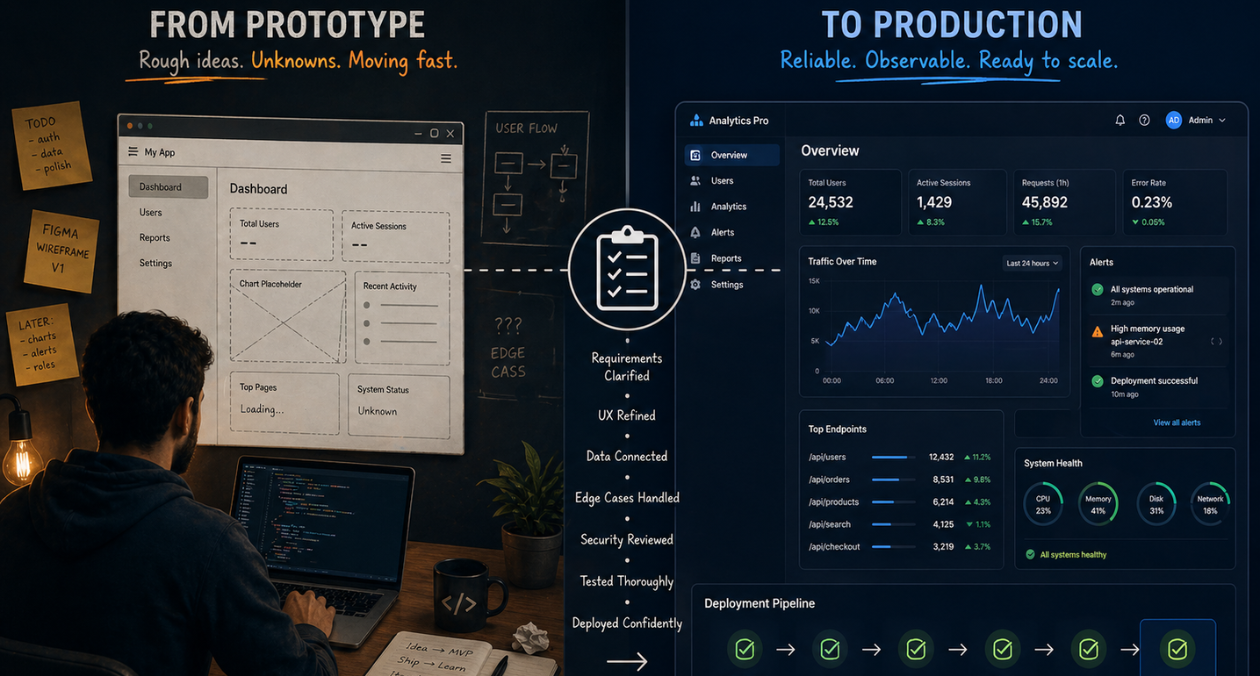
From Prototype to Production: The Engineering Checklist That Actually Matters
Prototypes lie. They perform well in demos because they are not doing any of the work that production systems actually do. There is no...
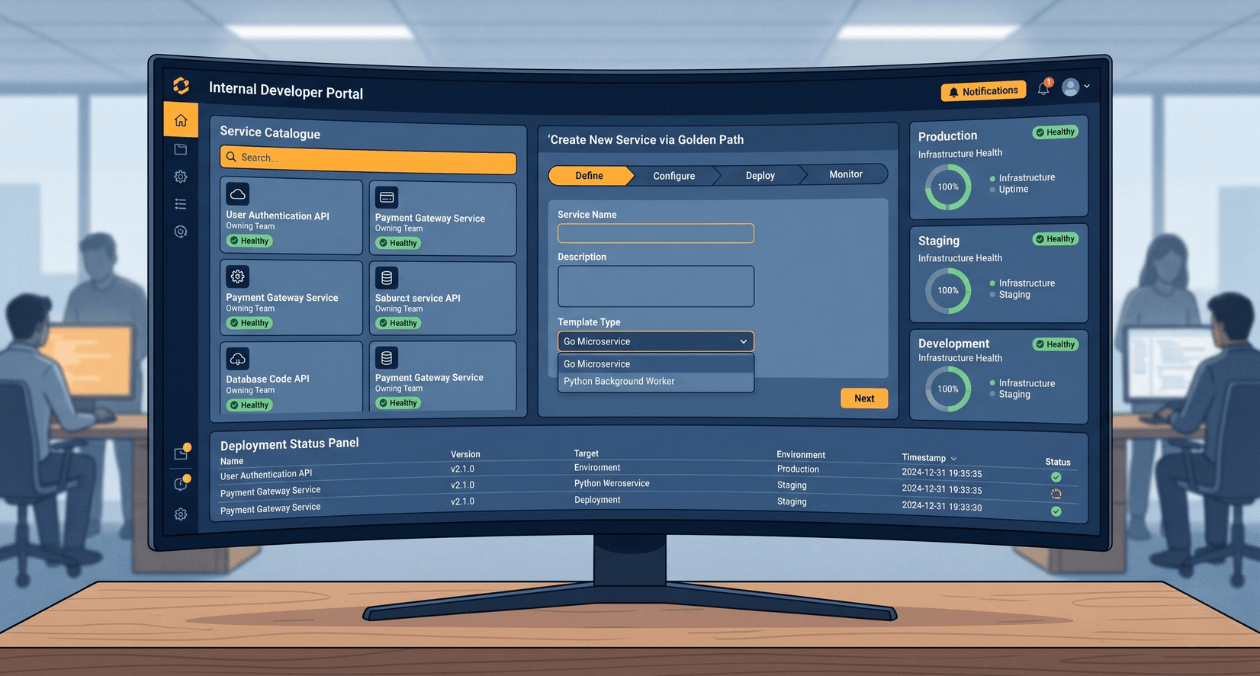
Building a Developer Experience (DX) Platform: From Golden Paths to Self-Service Infrastructure
There is a measurement problem at the heart of platform engineering. The people who benefit most from a well-built internal developer platform are often...
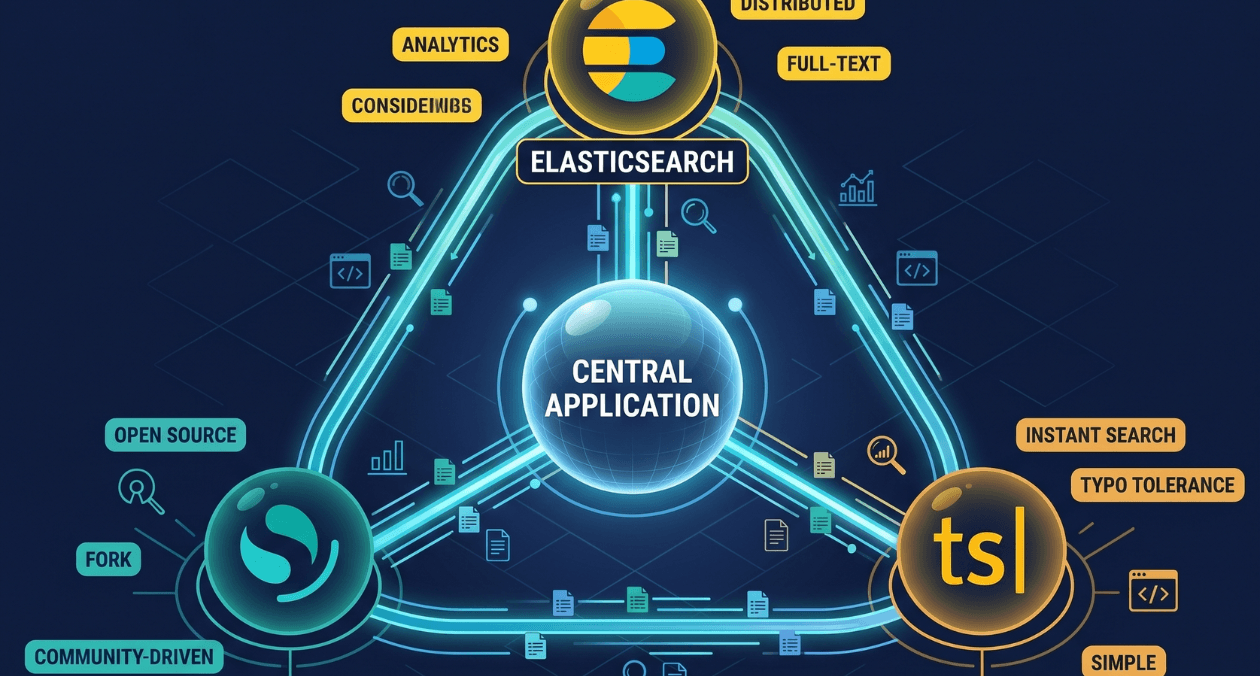
Search Infrastructure for Applications: Elasticsearch vs OpenSearch vs Typesense
Search is one of those features that seems straightforward until you try to build it properly. A basic LIKE query handles small datasets. The...